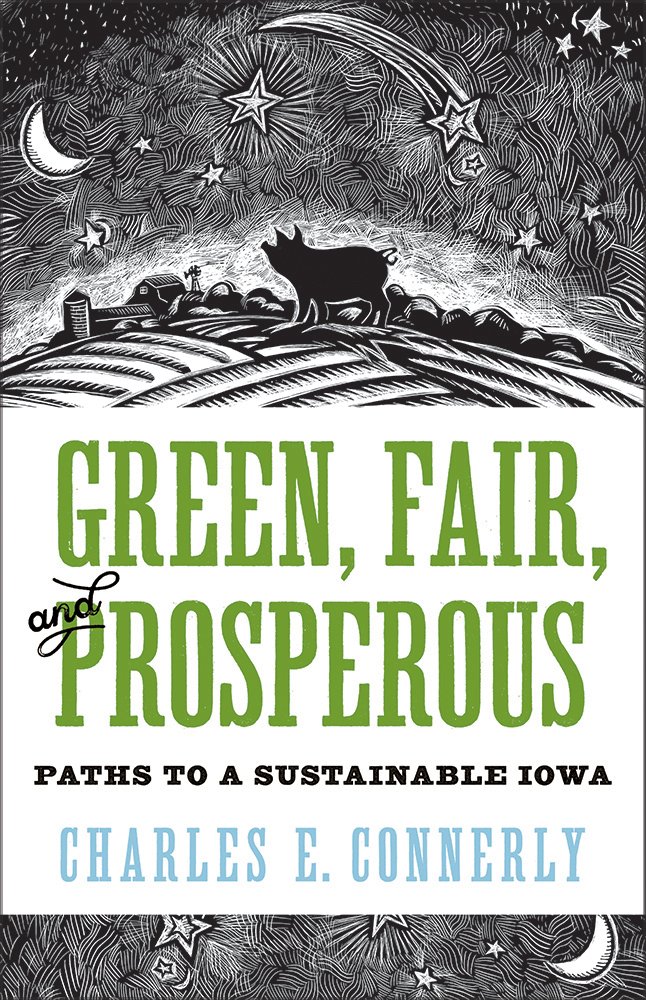
Green, Fair, and Prosperous: Paths to a Sustainable Iowa
Over the summer, our three Iowa Cohorts read Green, Fair, and Prosperous: Paths to a Sustainable Iowa by Charles Connerly. Our discussions after each chapter included these questions:
Chapter 1:
How does the decreasing number of family farms since 1900 affect your wider community? How does the rise of commercial farms affect your community?
Do you have a meatpacking facility near you? How has that affected your community over time?
Do you have a farm machinery manufacturer in your area? How has that affected your community over time?
Were you in Iowa during the Farm Crisis (late 70’s-80’s)? What do you remember about the impact on your community? Your family? Your church?
Has the move to close and consolidate schools and districts affected your community and how? And/or the loss of manufacturing plants?
Does your church work with others in the area (businesses, non-profits, government) to try and reduce out-migration?
Chapter 2 - Corn, Hogs, and Water
Have you noticed changes in farming techniques over the years and how have they affected the environment and your community?
Have you noticed changes in animal husbandry techniques over the years and how have they affected the environment and your community?
What efforts have happened locally to restore biodiversity and address water quality and quantity? Is the church involved in any of those efforts if they exist and how?
What impact have you noticed with the increase in hog farming in Iowa? Now that hogs outnumber people in the state 7 to 1?
In 2024, Food & Water Watch1 reported that between 2013 and 2023, the DNR recorded 179 instances of manure discharge into Iowa’s waterways. These impacted waterways across the state, including numerous tributaries, drainage ditches, creeks, and rivers. Those spills caused massive fish kills, recreational closures, and drinking water contamination. Have manure spills affected your community or county? How might our call to be a good steward of the earth invite us to address the damage done to creation by these spills?
The author identifies several health risks from the increased amount of nitrate, hormones, and pathogens that are entering Iowa’s water bodies through spills and storm runoff. In 2025, over 700 waterway segments across rivers, lakes, and wetlands are failing to meet criteria for fishing, swimming, or drinking water.
Iowa also has the second-highest and fastest-growing rate of new cancer cases in the U.S. Major public health and environmental reports indicate significant geographic overlap between areas with high cancer burdens (particularly colorectal, thyroid, and urinary cancers) and regions heavily affected by agricultural runoff, notably elevated cancer-linked nitrate concentrations in source drinking water.2
What conversations are happening in your community about water contamination and health concerns? How might the church be called to be a part of those conversations?
Chapter 3 - Challenging Iowa Agriculture
What actions (if any) have your city or county taken to ensure the safety of your drinking water?
How much did you know about the Dead Zone before and Iowa’s part in it? About the proposals for Iowa’s Nutrient Reduction Strategy? About Iowa’s role in greenhouse gas emissions?
How have the changes in temperature, rain and snowfall, wind events, drought and flooding affected your community?
How can our churches work with our communities to address water quality issues and weather issues?
Chapter 4 - Why is Iowa So White?
What surprised you in Chapter 4 about the racial history of our state?
How much did you learn of that history in school? What (if any) was new information to you?
How much do you know about the racial history of your community?
What is the current racial makeup of your community? Has that changed over the time you have lived there?
The Iowa Shrink Smart data makes it clear that the only smaller communities that will be able to sustain their current population levels or even experience some growth will be through the in-migration of non-whites. How willing do you perceive your wider community to make changes to be more welcoming, inclusive, and supportive of non-white workers and residents?
How have raids, arrests, and increased deportations affected your community and the local businesses?
Chapter 5- The Best State in America?
What stood out to you from today’s reading?
Do you agree with the US News and World Report findings?
How do you think they have changed to today? The current ranking is #12. (2026)
How did the suggestions make you feel?
How can we in our towns and churches make some of these changes?
Could you take on one of them in your place?
What did you think of the book in general?
Why do you think this book was recommended for this group?
How does this book relate to our work in RMI? In our churches?